Share
Share

Tourism is an integral part of a sustainable urban environment when it is developed with a long-term vision and control over resources. In Albena, the strategy includes limited construction, investment in in-house production of energy and food, as well as the development of spa/balneological tourism and sports facilities focused on guests’ health.
“Tourism is definitely an inseparable part of a sustainable urban environment, especially when it is developed purposefully with a vision and care for nature and people. We have adopted what we call the ‘no more hotel strategy’ — meaning we develop and build hotels only where others previously existed, naturally upgrading the category. Alongside this, we invest heavily in our own production of electricity and food, in electrifying transport, and we are developing spa tourism,” said Stoyanova.
Local Production and the One Health Concept
In-house food production is another key element of the resort’s sustainable model. Within a 15 km radius, fruits, vegetables, and animals are raised, with the produce used entirely for internal consumption. This allows for quality control and creates added value for tourists through direct access to the source of their food.
“All of this produce is grown solely and only for our own consumption, because we believe that sustainability begins with health, and health is connected to food. In this way, the One Health concept helps us offer guests who are seeking an experience the opportunity to take part, including by visiting the farms,” said Stoyanova.
Sustainability as a Long-Term Business Model
The company develops its sustainability through initiatives such as agrivoltaics, intelligent resource management, and participation in international partnerships. The goal is to create a destination that gives more to nature than it takes.
“We are currently working on the Ecoloop project, which is installing agrivoltaics at our site for the first time — that is, photovoltaics in the greenhouses, which allow us, on one hand, to grow early organic cucumbers, and on the other hand, to use the biomass from them in the biogas installation before we plant the next type of vegetable, thereby once again closing the loop of the circular economy,” Stoyanova stated.
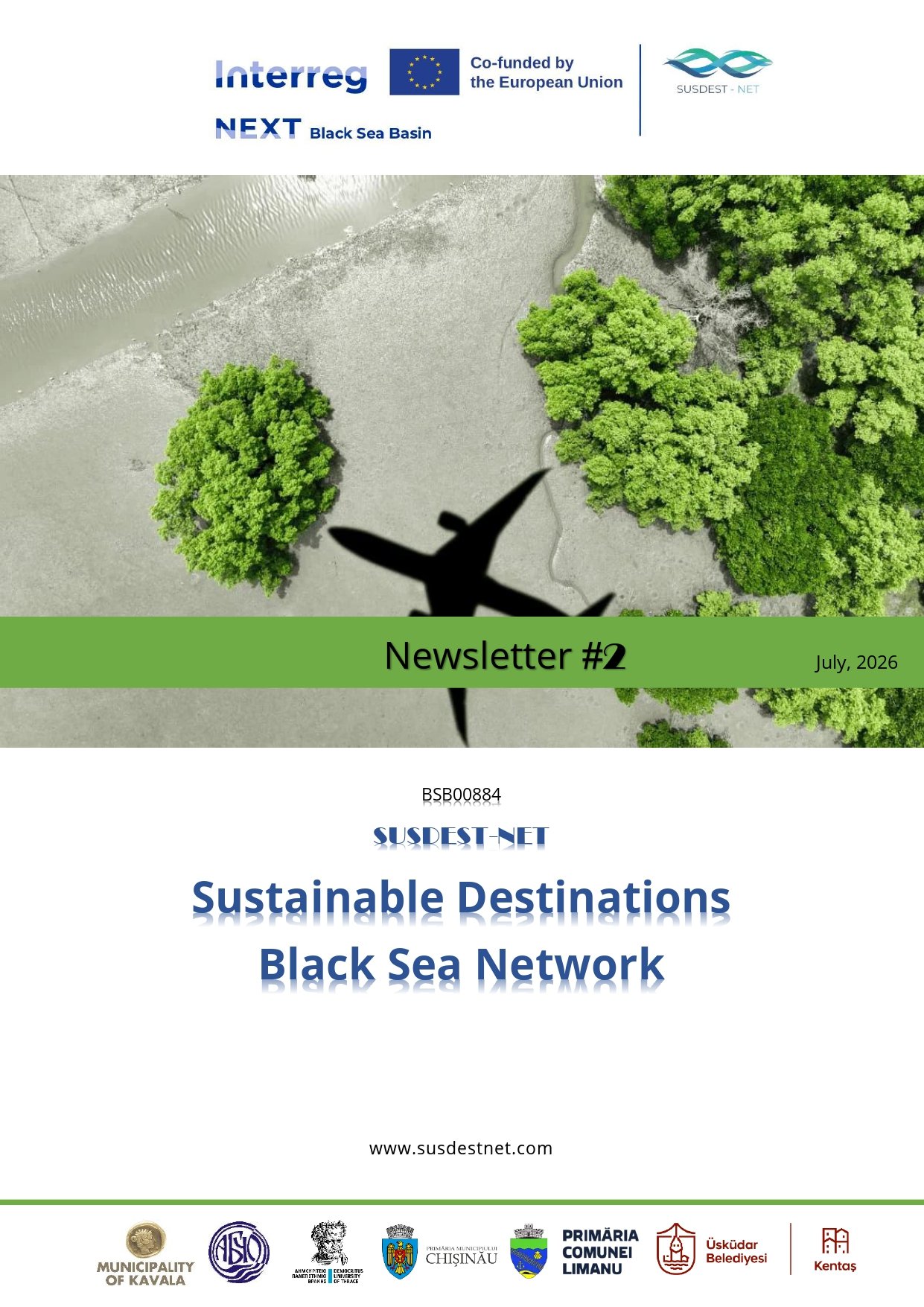
Albena also participates in the project “SUSDEST-NET: Black Sea Network of Sustainable Tourism Destinations,” implemented by the Association of Bulgarian Black Sea Municipalities under the Interreg NEXT Black Sea Basin 2021–2027 programme.
Through the project, Albena will strengthen its position as a sustainable tourism destination by developing and testing innovative digital (AI) tools, applying environmental, social, and responsible management practices, and pursuing active digital promotion.
This is an English translation of an article originally published by Bloomberg TV Bulgaria